
Bookkeeping vs Accounting: Understanding Their Differences
As meticulous record-keepers, bookkeepers possess a specific set of skills that ensure complete and accurate financial documentation for a business. If you need any help with bookkeeping and accounting services, our team is ready to assist you. Bookkeepers and accountants work together by handling complementary tasks that support a business’s financial health. If you already use specific tools to manage your books, you’ll want to discuss those tools with any bookkeepers or accountants you consider working with to ensure they’re familiar with them. Additionally, accountants often take on more complex responsibilities, such as financial planning, auditing, and strategic decision-making, which can contribute to higher salaries. However, it What is bookkeeping is essential to note that salaries can vary based on experience, location, industry, and the organization’s size.

EnKash announced partnership with the NPCI to launch B2B invoice payments on BBPS
The mission of the business PhD programs at the Jindal School of Management in International Management Studies and Management Science is to deliver the most advanced education in such areas of specialization. Both programs develop strong research and scholarly skills in their students and place graduates in academic, research and industry positions. Whether you’re a prospective undergraduate who’s interested in business, a mid- to senior-level executive or a future researcher — Jindal School is the right place for you.
- They also handle tax preparation, conduct audits, and provide strategic advice on budgeting and financial planning.
- This insight helps new professionals target specific sectors where their skills can address critical financial management challenges.
- By diligently obtaining required authorizations, the practice ensures that all income statement reporting and nonprofit accounting procedures are maintained without risk of a lawsuit.
- They can also provide valuable advice on financial planning, budgeting, and forecasting, helping small businesses set and achieve long-term goals.
- Without proper record-keeping, it becomes challenging to track income, expenses, and other financial transactions accurately.
Skill Requirements

When basic bookkeeping tasks start taking you away from revenue-generating activities, it’s time to evaluate outsourcing. Single-entry is like keeping a personal checkbook – you record money coming in or going out in a single line. While this might work for very small businesses with simple transactions, double-entry bookkeeping provides a more complete and accurate picture. The cash flow statement might be the most crucial report for day-to-day operations. It tracks the actual money moving in and out of your business, showing where your cash comes from and where it goes.
Overcoming Common Bookkeeping and Accounting Challenges
- A professional must secure all necessary licenses and permits before handling money and recording business transactions to enforce proper compliance with local regulations.
- Learn how to build, read, and use financial statements for your business so you can make more informed decisions.
- Accounting involves analyzing records provided by bookkeeping to gain meaningful insights into a company’s financial performance.
- They assess the effectiveness of existing rules, identify gaps or weaknesses, and implement necessary improvements.
- The records are used by accountants to compute tax payments, file returns and look for tax-saving opportunities, so the company stays in compliance with the tax laws.
Understanding their distinctions can help you make smarter financial decisions and keep your business on the path to success. Still stumped on how to handle bookkeeping vs. accounting tasks for your small business? Small business accounting software like QuickBooks helps you track your business finances all in one place, making it easily accessible to you and your accounting team. Bookkeeping is the process of recording all financial transactions a business makes from its opening to its closing.
The article will explore the concept of bookkeeping vs. accounting and why both are crucial for financial accounting. We will also look at how these financial workflows support business decision-making and long-term profitability. Accountants help business owners understand their financial position and plan for the future. They’re also the ones who step in during tax season, ensuring bookkeeping everything is filed correctly and maximizing deductions. Consider hiring a bookkeeper to manage daily financial transactions and closely monitor operational budgets.
- Once you understand some of the steps to take for effective, accurate business accounting, take the initiative and learn key skills in business accounting.
- If you use an electronic tracking system, it must be accessible or able to be shared with HMRC electronically.
- Connect the accounts you make business purchases with and let the tool auto-categorize your expenses.
- Ultimately, this approach enables the bookkeeping business to overcome common pain points through practical examples and expert analysis.
- Bookkeeping provides the foundation by accurately recording transactions, while accounting uses that data to generate reports, interpret financial information, and offer strategic financial advice.
- Strong communication skills facilitate clear and concise explanations of financial concepts and enable effective collaboration with other team members or departments.
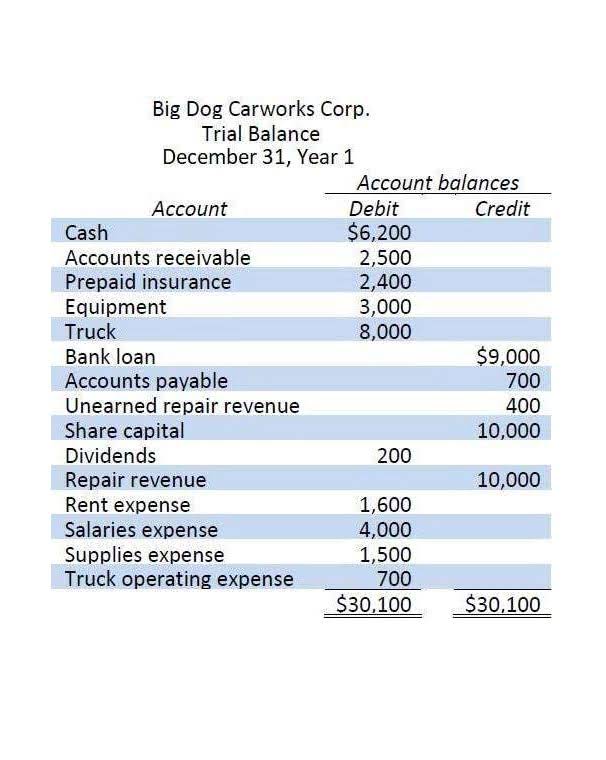
They collaborate with management to set financial goals, allocate resources, and monitor performance against the budget. When manually doing the bookkeeping, debits are found on the left side of the ledger, and credits are found on the right Airbnb Accounting and Bookkeeping side. Debits and credits should always equal each other so that the books are in balance.